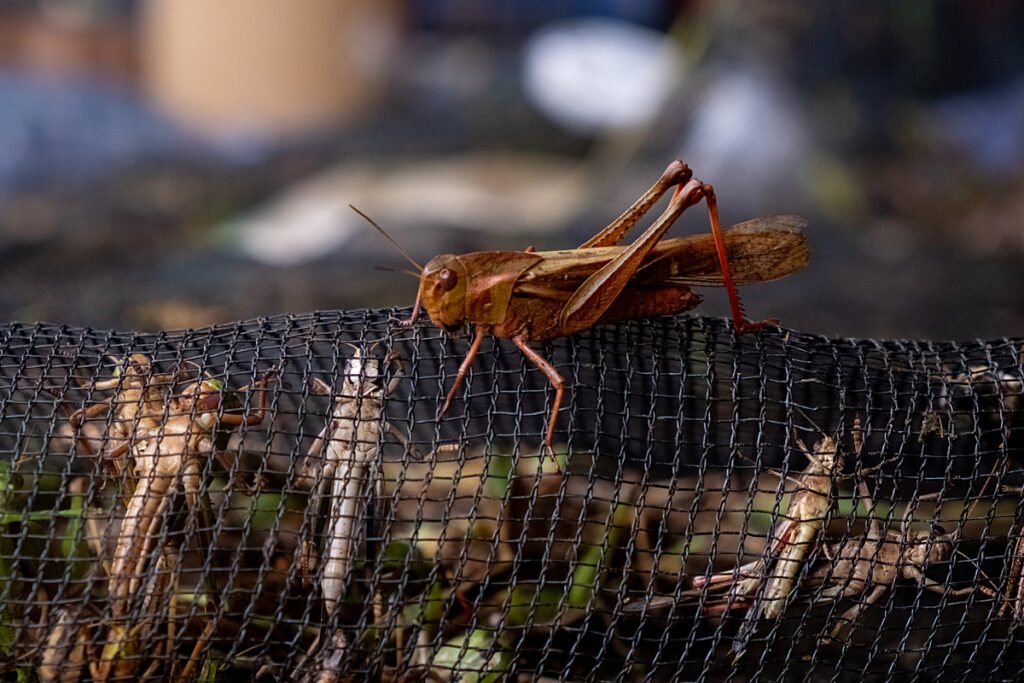
What is often labeled as “extreme food” by outsiders is, in many cases, deeply rooted in history, environment, and survival. In Indonesia, one of the most well-known examples is fried grasshoppers, a traditional food still consumed in southern Yogyakarta, particularly in rural areas such as Gunungkidul.
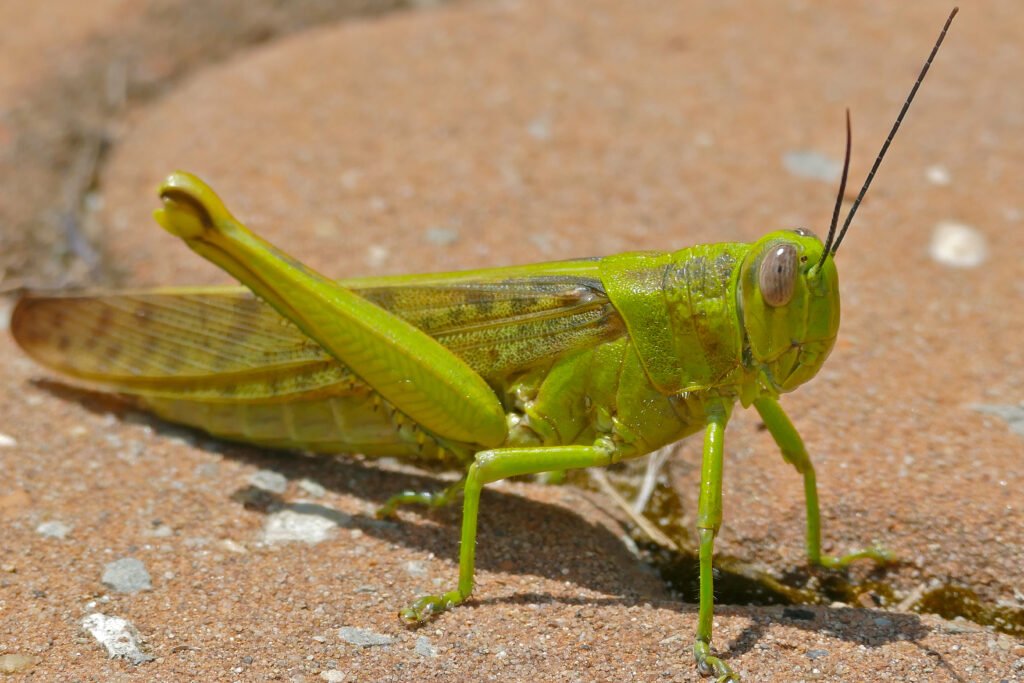
For decades, this region was widely known as one of the poorest areas in Java. Its limestone landscape, seasonal droughts, and limited agricultural productivity made conventional food sources scarce. In response, local communities relied heavily on what nature could provide. Grasshoppers—especially large wood grasshoppers found on trees and farmland—became an accessible and reliable source of protein.
From Survival Food to Cultural Practice
Originally, eating grasshoppers was not a culinary choice driven by taste or novelty. It was a necessity. When rice supplies were limited and livestock was unaffordable, grasshoppers offered a practical alternative. They were collected in large numbers, cleaned, and typically deep-fried to improve flavor and extend shelf life.
As economic conditions improved over time, the practice did not disappear. Today, southern Yogyakarta can no longer be described as impoverished. Infrastructure, education, and tourism have transformed the region. Yet, fried grasshoppers remain part of everyday food culture, no longer associated with hardship but with tradition and identity.
“Extreme Food” Is a Matter of Perspective
For many international visitors, the idea of eating insects may feel shocking or extreme. However, for local people, fried grasshoppers are neither unusual nor exotic. They are commonly enjoyed as a snack, valued for their crunchy texture and savory taste.
This contrast highlights how food norms are shaped by culture rather than universal standards. What appears extreme to one society may be entirely normal to another.
A Surprising Economic Reality
One detail that often surprises foreign audiences is the price. Contrary to common assumptions, raw grasshoppers are often more expensive than raw chicken in local markets. The reason lies in the labor-intensive harvesting process. Grasshoppers must be collected manually, often early in the morning, and their availability depends on seasons and environmental conditions. Chicken, by contrast, is mass-produced and widely distributed.
As a result, fried grasshoppers today are no longer “cheap survival food.” They have become a specialty item, sometimes sold as packaged snacks or regional souvenirs, with prices reflecting their rarity and cultural value.
From Rural Kitchens to Tourist Souvenirs
Fried grasshoppers are now sold in traditional markets, roadside stalls, and souvenir shops across Gunungkidul. Improved packaging and branding have repositioned them as a unique culinary attraction rather than a symbol of poverty.
For visitors, tasting fried grasshoppers is often framed as an adventurous experience. For locals, it represents continuity—a connection to their past and a reminder of resilience.
More Than Just Food
Fried grasshoppers from southern Yogyakarta tell a story beyond taste. They reflect how communities adapt to harsh environments, how survival strategies evolve into traditions, and how cultural identity can endure even as economic conditions change.
What was once a food of necessity has become a marker of regional pride—proving that so-called “extreme food” is often best understood not through shock, but through history and culture.
This article is part of an ongoing independent cultural and social documentation project that supports long-term field research and writing. If you would like to support this work, you can do so via Ko-fi