evankarsa23@gmail.com

Trites from North Sumatra: When Food Reflects Total Use, Not Taste

When Eating Means Not Wasting In many food cultures, preference is guided by flavor, texture, or presentation. In parts of North Sumatra—particularly among Karo Batak communities—food has historically been shaped by a different principle: nothing should be wasted. Trites emerges from this worldview. Often misunderstood from the outside, trites is not designed to impress or

Trites from North Sumatra: When Food Reflects Total Use, Not Taste Read More »

Papuan Warriors and Ulat Sagu: Food Carried Through Conflict

When Food Is Shaped by Environment, Movement, and Custom In many parts of the world, food is separated from conflict, travel, or endurance. It is something eaten at home, prepared in advance, and consumed at rest. In parts of Papua, however, food has long been inseparable from movement, environment, and survival—even during times of inter-tribal

Papuan Warriors and Ulat Sagu: Food Carried Through Conflict Read More »

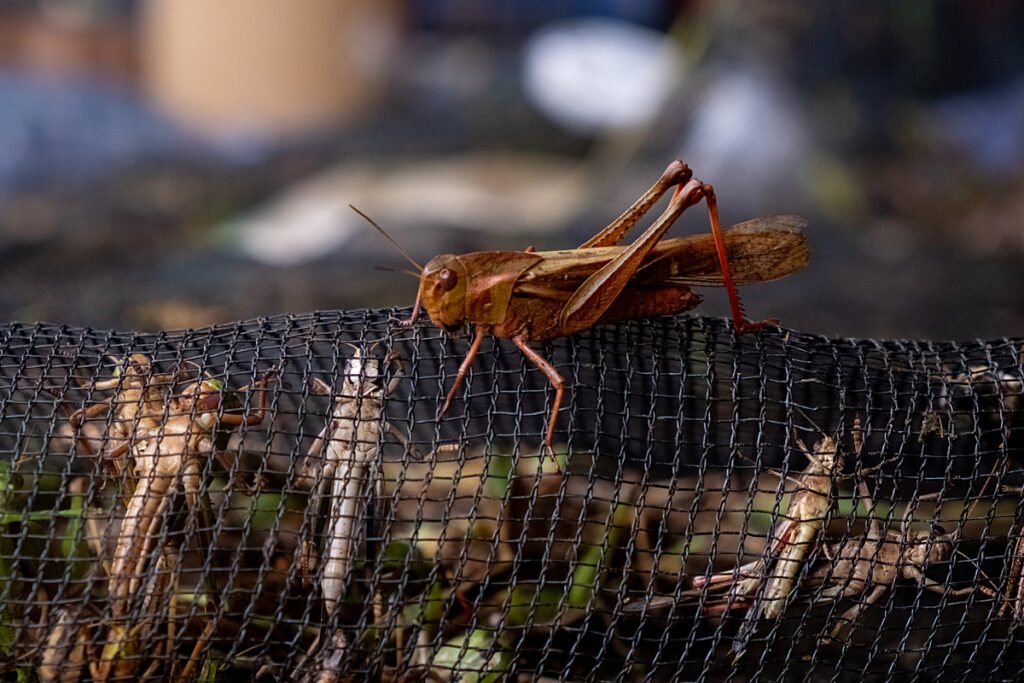
Fried Grasshoppers from Southern Yogyakarta: When “Extreme Food” Becomes Cultural Heritage

What is often labeled as “extreme food” by outsiders is, in many cases, deeply rooted in history, environment, and survival. In Indonesia, one of the most well-known examples is fried grasshoppers, a traditional food still consumed in southern Yogyakarta, particularly in rural areas such as Gunungkidul. For decades, this region was widely known as one

Fried Grasshoppers from Southern Yogyakarta: When “Extreme Food” Becomes Cultural Heritage Read More »