When Young Coconut Shell Becomes Food
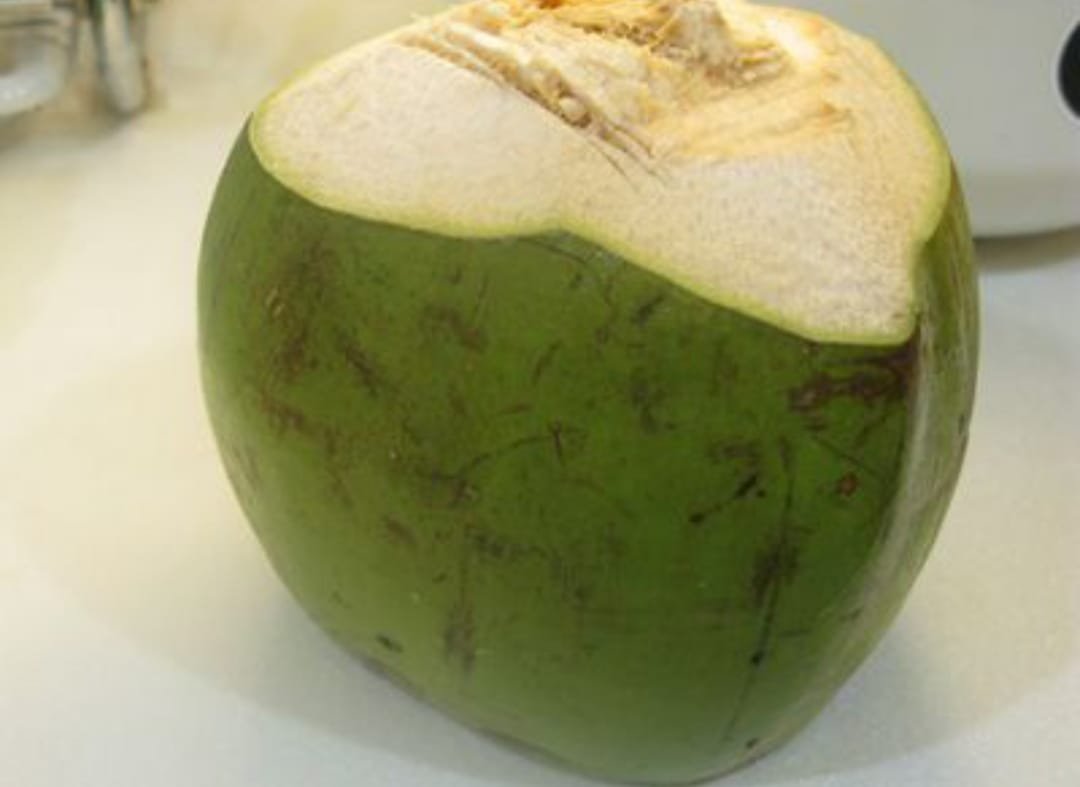
In many parts of the world, a coconut shell is something to be discarded—hard, fibrous, and inedible. In western Bali, however, the story is different. In the regency of Jembrana, communities have long prepared lawar klungah, a traditional dish made from klungah—the soft inner shell of a young coconut.
To outsiders, the idea of eating what is commonly perceived as “shell” may sound unusual, even extreme. Locally, it is neither. Lawar klungah is simply food—rooted in environment, seasonality, and inherited culinary knowledge.
Understanding Klungah: Not a Shell, Not Meat
A klungah is neither coconut meat nor hardened shell. It exists in a brief stage of the coconut’s growth, when the inner shell has begun to form but remains tender enough to be sliced. This short window is crucial. Once the coconut matures further, the klungah hardens and becomes inedible.
This precise understanding of timing reflects a broader principle found in many traditional food cultures: edibility is contextual, not absolute. What can be eaten depends not only on the ingredient, but on when and how it is harvested.
Lawar: A Framework, Not a Recipe
Across Bali, lawar is less a fixed dish than a culinary framework. At its core, lawar is a mixture—finely chopped ingredients combined with spices, grated coconut, and seasoning. The components vary widely by region, availability, and ritual context.
In Jembrana, klungah becomes the central element. Thinly sliced and prepared with traditional Balinese spice blends, it is mixed into lawar to create a dish that is light in texture but complex in flavor. The result is neither meat nor vegetable in the conventional sense, but something in between.
Food Born from Environment
Jembrana is known for its agricultural landscapes and coconut groves. For generations, coconut trees have provided not just fruit and oil, but materials for daily life—roofing, tools, fuel, and food. Lawar klungah reflects this holistic relationship with the coconut tree.
Rather than focusing only on the most commercially valuable parts of the coconut, local cuisine recognizes usefulness across stages of growth. Nothing is wasted; knowledge fills the gap between abundance and necessity.
“Extreme Food” or Cultural Logic?
When dishes like lawar klungah are introduced to global audiences, they are often framed as extreme food. This label says more about the observer than the dish itself.
From a local perspective, lawar klungah is logical:
- The ingredient is available.
- It is edible at a specific stage.
- It fits established culinary techniques.
- It carries cultural meaning.
What appears extreme from the outside is, in fact, deeply normalized within its own context.
Transmission of Knowledge
Lawar klungah is not learned from cookbooks. It is passed down through observation and practice—watching elders identify the right coconuts, learning how thin to slice the klungah, understanding how it should feel between the fingers.
This kind of knowledge is fragile. It depends on continuity: families cooking together, local ingredients remaining accessible, and younger generations seeing value in traditional foodways.
Beyond Taste: Why Lawar Klungah Matters
Lawar klungah is not preserved because it is exotic. It is preserved because it works—nutritionally, culturally, and environmentally. It represents:
- Adaptation to local resources
- Respect for seasonal ingredients
- A worldview where food is shaped by place
In a global food system increasingly detached from geography, such dishes offer an alternative logic—one where eating is still anchored in land, time, and community.
A Wider Indonesian Pattern
Lawar klungah is not an isolated case. Across Indonesia, many foods that surprise outsiders are the result of similar reasoning: communities making careful use of what their environment provides.
Seen this way, lawar klungah is part of a larger story—not about novelty, but about how cultures survive, adapt, and express identity through food.
Preserving Stories Like This
Documenting dishes such as lawar klungah is not about freezing tradition in time. It is about recording knowledge while it is still lived—before it is reduced to footnotes or misunderstood labels.
In Jembrana, lawar klungah remains a reminder that food does not begin with recipes. It begins with place.
This article is part of an ongoing independent cultural and social documentation project that supports long-term field research and writing. If you would like to support this work, you can do so via Ko-fi